
 www.privataismezs.lv



impact


about

(open root, 25 - 45cm)
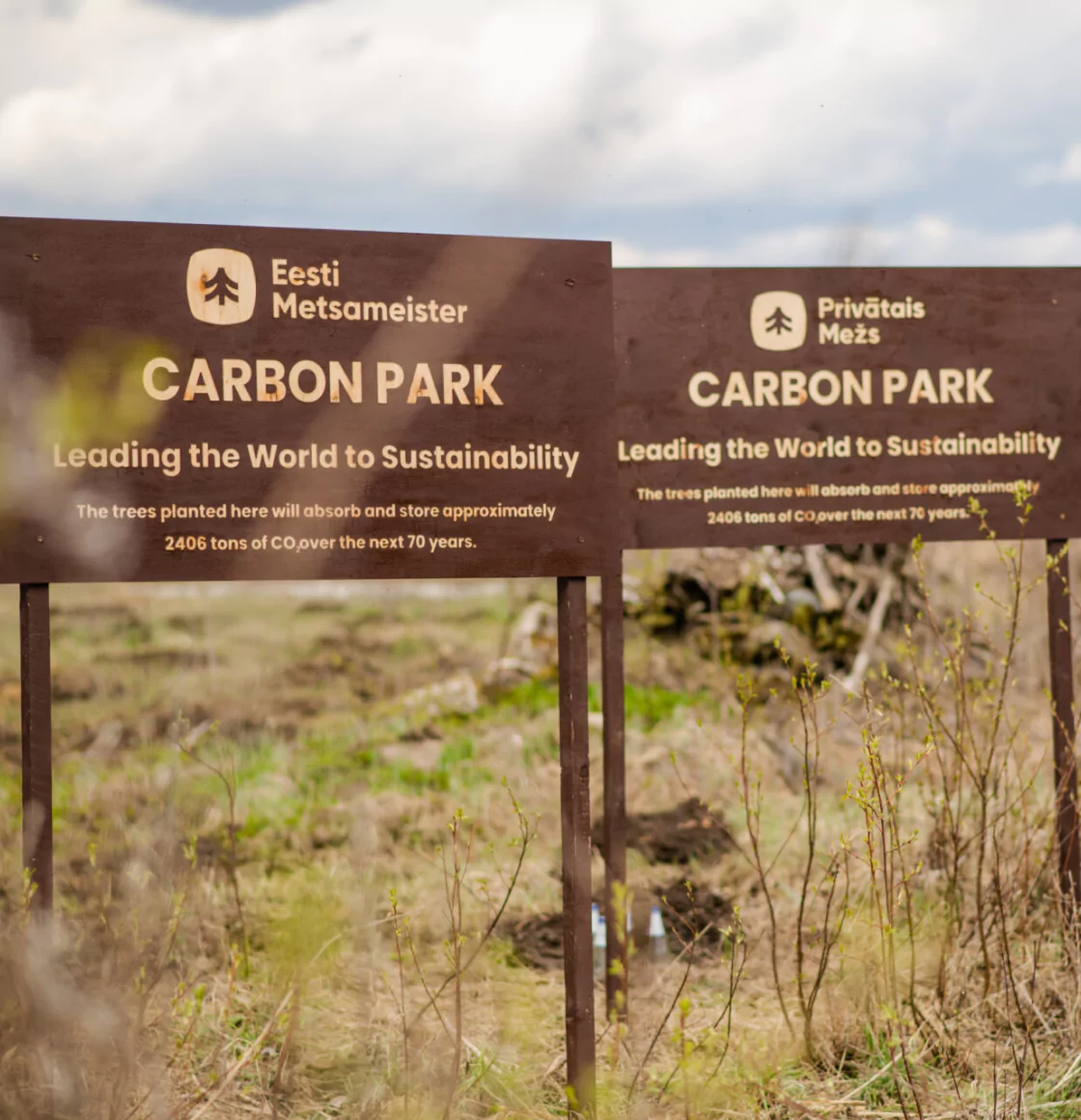
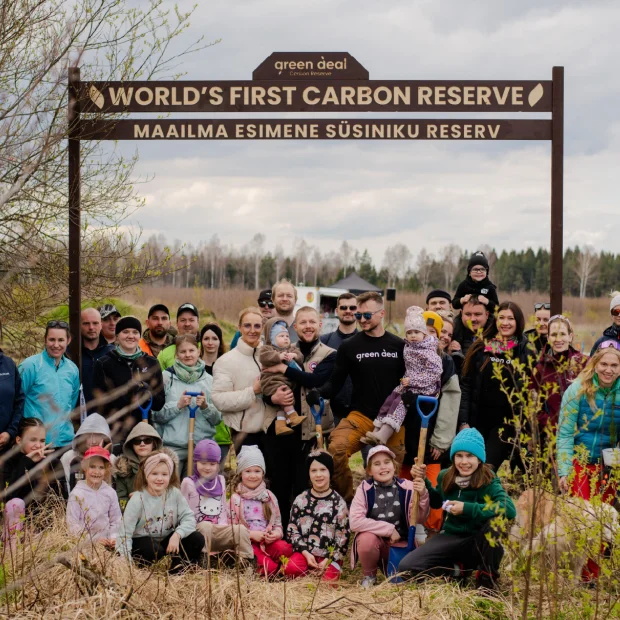
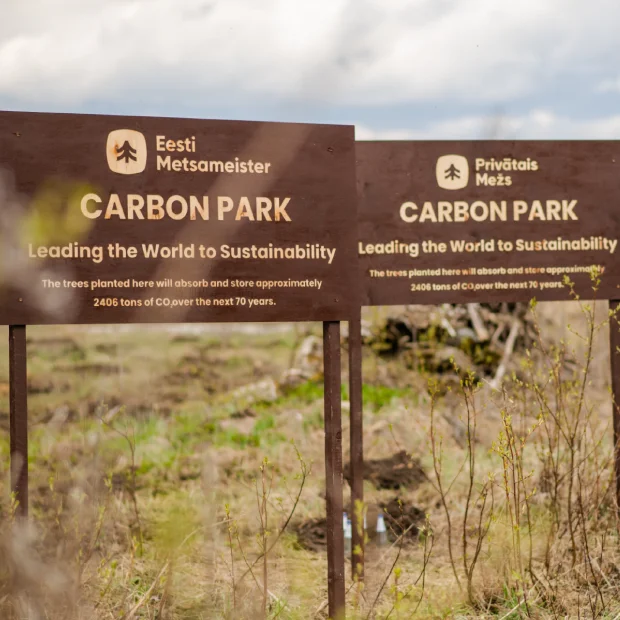
In Järva County, within the municipality of Paide City, lies a new carbon park sponsored by Privātais Mežs. This 1.4-hectare area is part of a sustainable forestry initiative aimed at enhancing biodiversity and combating climate change.
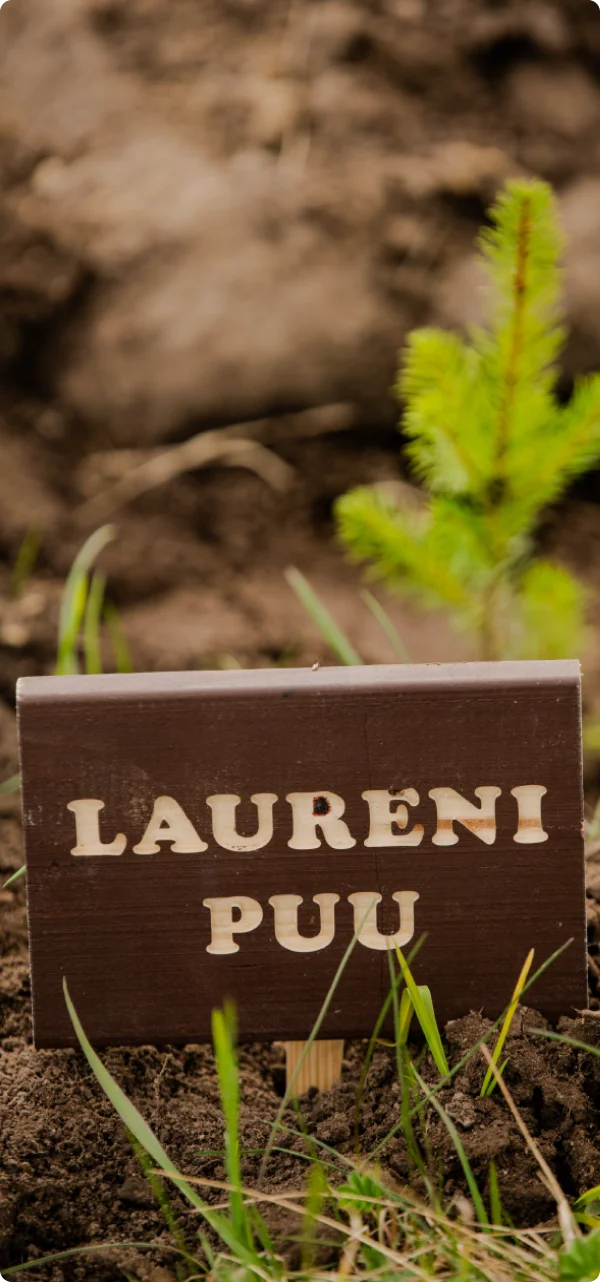
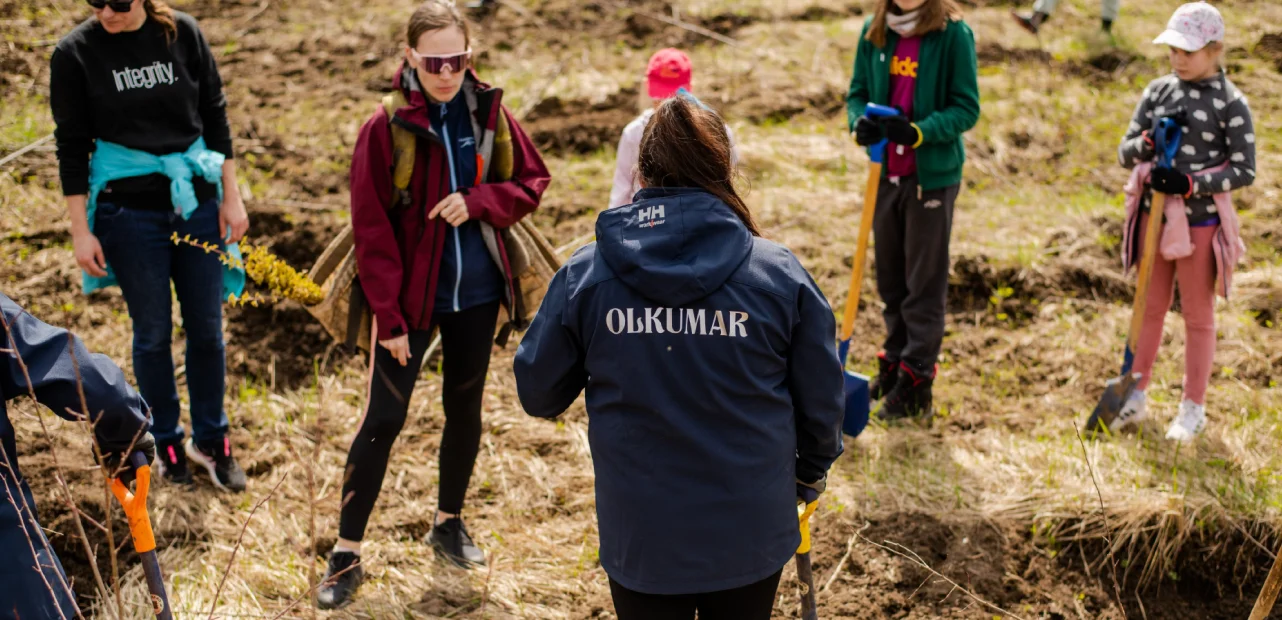
The project began in April 2024 with the planting of 10 000 spruce and birch saplings, each 25 to 45 centimeters tall. These trees are projected to sequester 2 406 tonnes of CO2 equivalents (tCO2e) over their growth period, significantly contributing to carbon capture.
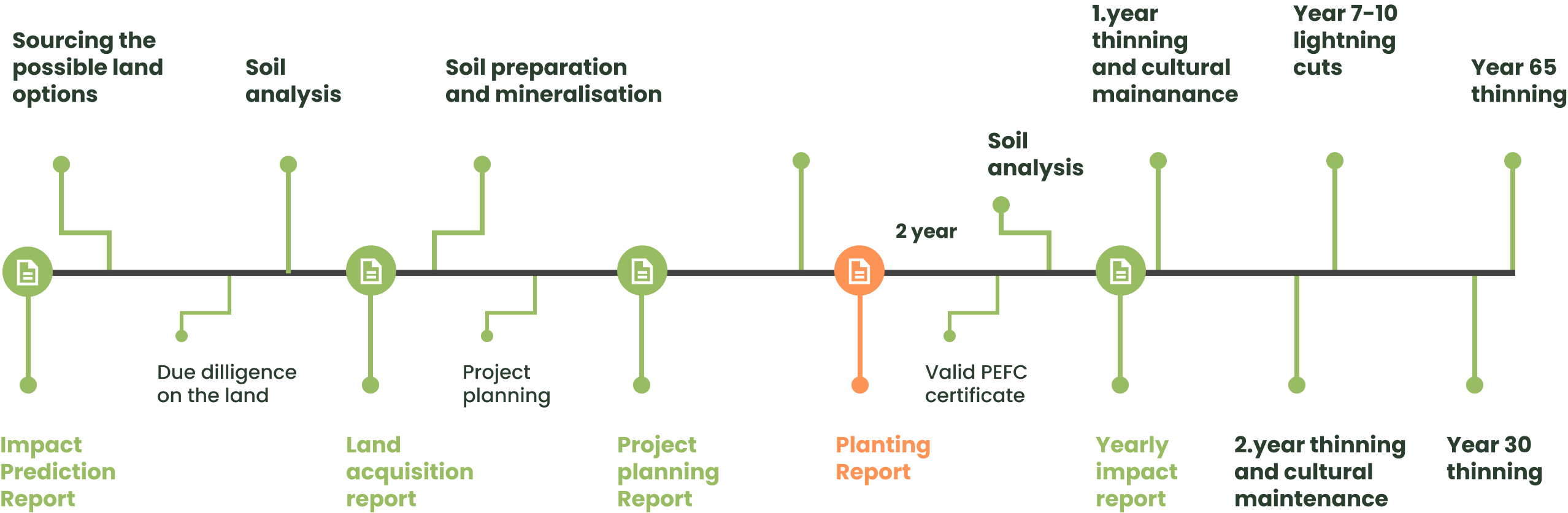
The creation of the Carbon Park involved several key activities: sourcing land options, conducting soil analysis and due diligence, acquiring the land, and planning the project. Soil preparation and mineralization ensured optimal growth conditions. After planting, a comprehensive report documented the initial success.
Future steps include obtaining a PEFC certificate, ongoing soil analysis, and yearly impact reports. Maintenance activities are planned for the first and second years, with further thinning at years 7, 10+, 30, and 65.
Although just planted, the Carbon Park is set to become a thriving forest over the next decade. The local community has embraced it as a natural treasure and educational resource, witnessing the positive impact of strategic afforestation. Privātais Mežs's Preeria project exemplifies how dedicated environmental management can restore ecological balance and combat climate change.
timeline
The drained Carex-Filipendula site type is characterized by a saturated, peatified soil with a dual component parent material, where variously carbonated, heavy textured (silty clay) sedimentary material or moraine is covered with a 30-60 (100) cm thick layer of sand. The stands are predominantly composed of birch and alder groves, with spruce groves in drained areas. The site quality index, indicating soil fertility, is rated at 2, which means it is fertile. The understory is naturally sparse to moderately dense. The most common understory plants include buckthorn, rowan, bird cherry, spruce, raspberry, blackcurrant, and willows.
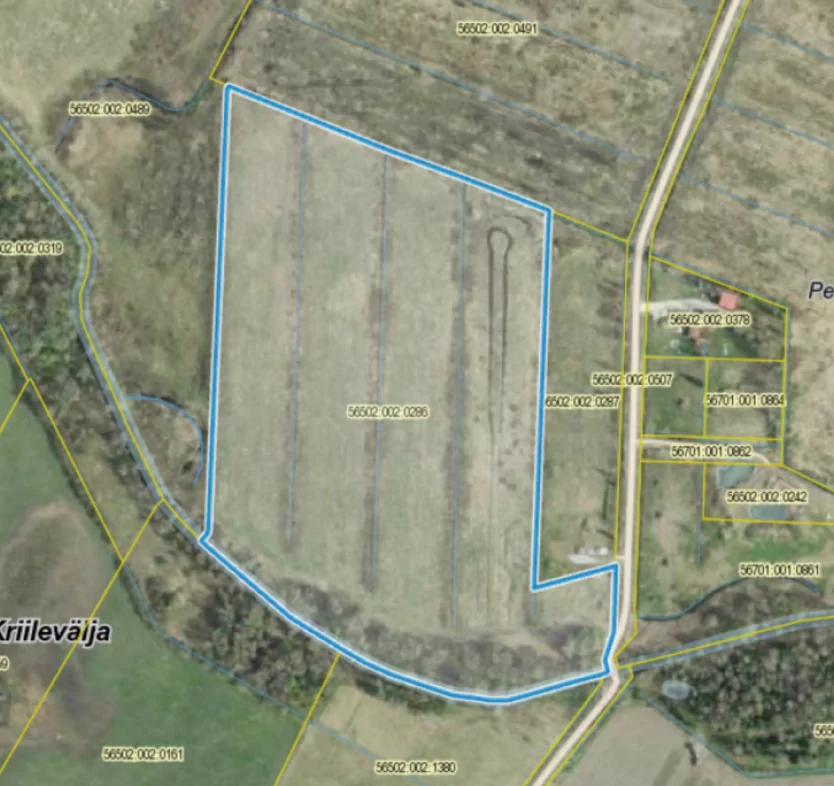
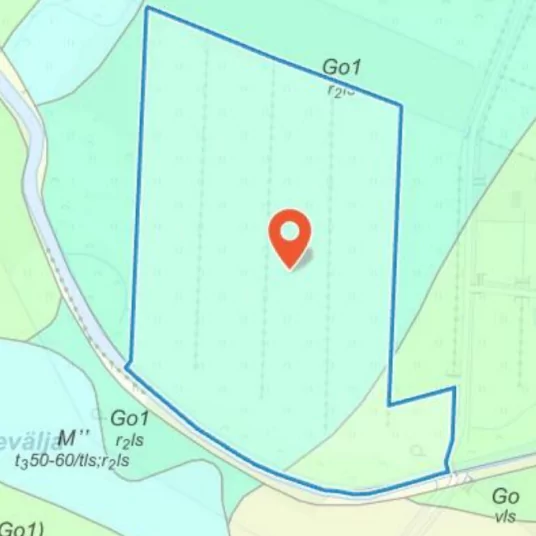
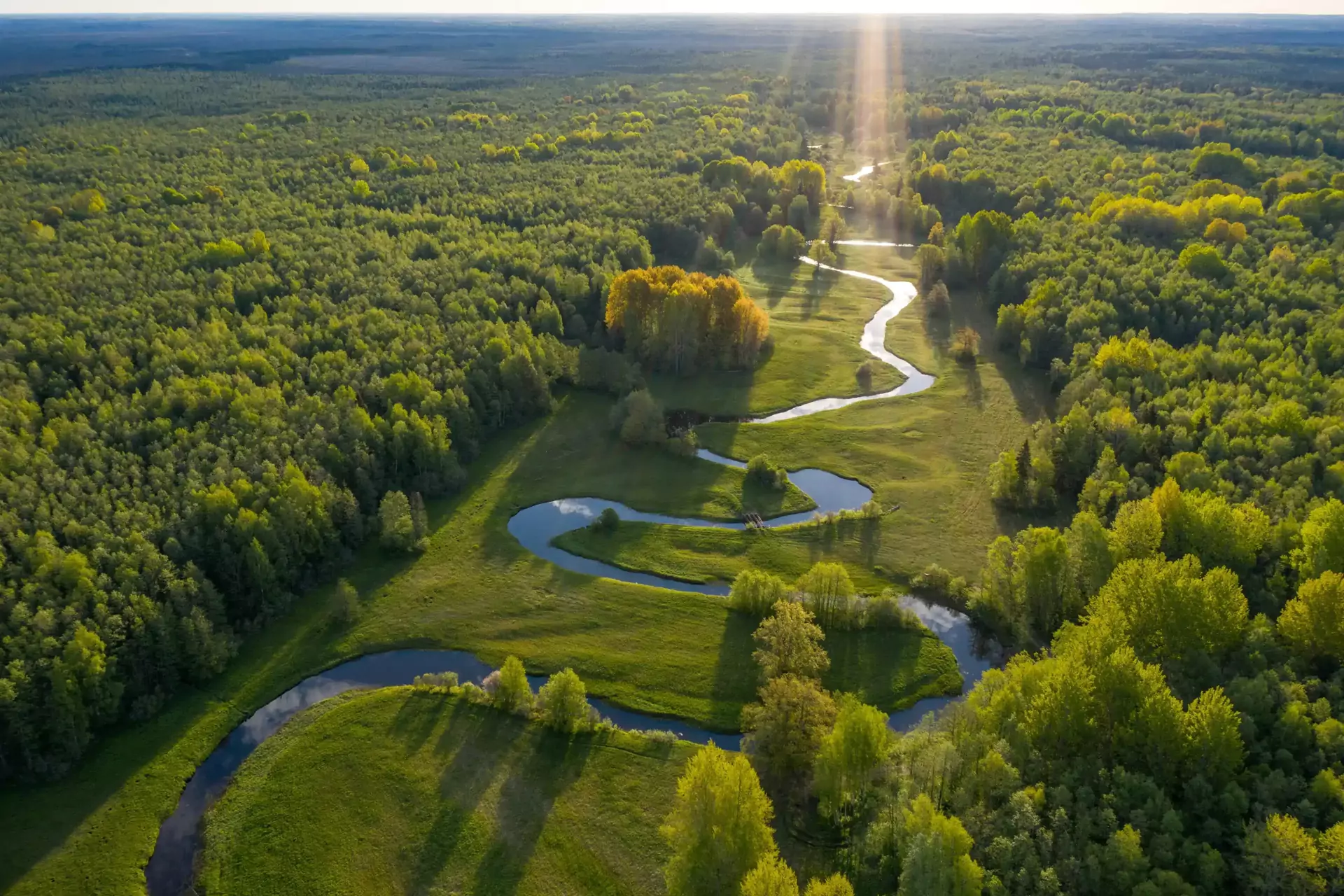
Overall, the Carex-Filipendula is a fertile site type where management practices such as thinning and selective logging are encouraged to promote the development of spruce and to guide the stand towards a resilient mixed forest of deciduous and coniferous trees. In terms of volume, stands with such a composition are the most productive in Estonia. This property has a high potential for carbon sequestration, making it particularly suitable for use as a carbon bank through forest planting. The property is located on a plain adjacent to the Esna River, equipped with drainage systems (drainage ditches).

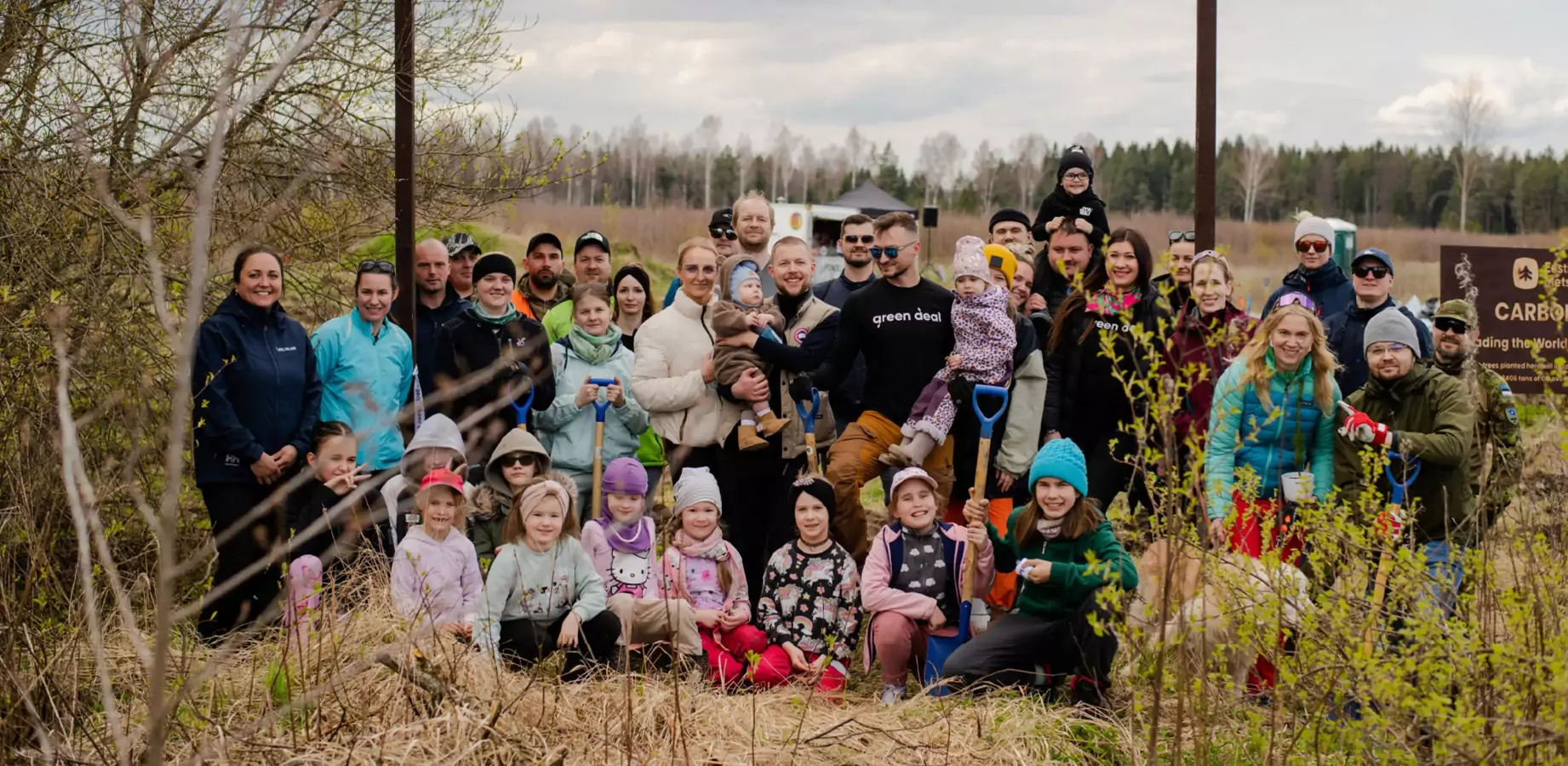
Even though the Carex-Filipendula naturally want birch trees we analysed the surrounding forests and imitated the similar habitat through planting Birch and Spruce mixed forest. The planting went great and now we need to monitor how the plants adapt to their new surroundings.
planting pictures

Private Forest is the No. 1 partner of Latvian private forest owners! We understand that forests are the greatest wealth of our nation – only a few countries can say that more than half of their territory is covered with green gold. In addition to economic benefits, forests also play an important role in our cultural heritage.Therefore, we believe that forests must be preserved for future generations. In an environmentally friendly way, we can plant a new one in place of each cut-down tree and respect the forest life cycle.

"For me, “Privātais Mežs” is a great place to drive innovation through our people and culture. I want to leave my mark as a leader who has brought positive change to the Latvian forestry industry. Planting trees in the carbon park was a natural next step for our company to increase sustainability and create lasting positive change."