Say what you did
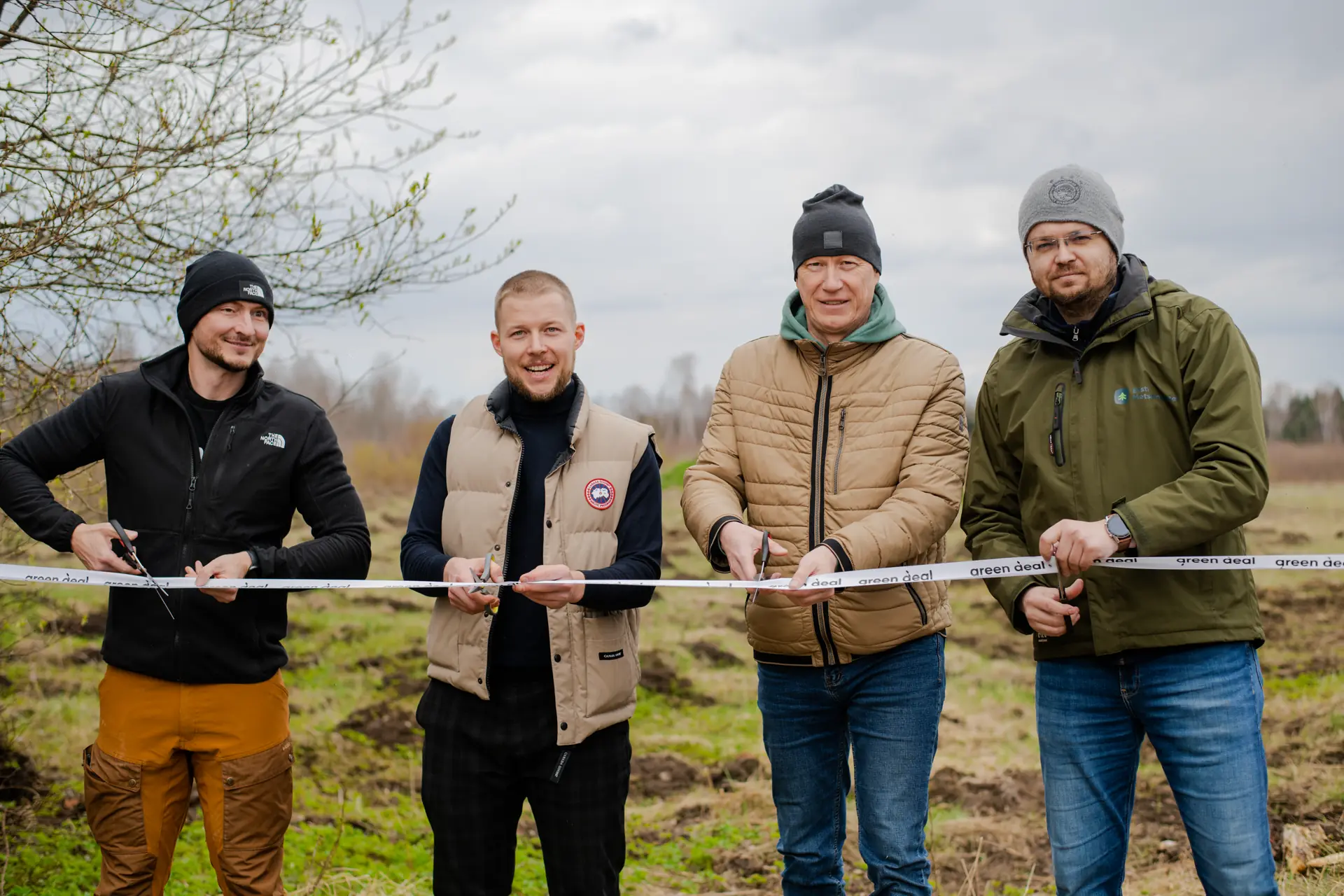
The strongest sentence is a specific one: how many trees, which species, on what kind of land and when. "In 2026 we planted 500 native spruce, pine and birch trees with Carbon Reserve on former grassland" tells a real story, and anyone can see it on our leaderboard.
Say this, not that
- Say: "We planted 500 native trees on former grassland." Not: "We are carbon neutral."
- Say: "We plant a tree for every order." Not: "Climate-neutral delivery."
- Say: "Our team planted 120 trees together this year." Not: "We are a green company."
- Say: "We are cutting our own emissions, and we also help a new forest grow." Not: "Our trees cancel out our footprint."
Carbon neutral vs net zero
Both terms are about balancing emissions, but they are used differently. "Carbon neutral" usually means that a company or a product balances its emissions with credits. "Net zero" usually means cutting emissions deeply first, and dealing only with what is left, over many years. Either way, trees are not a balance sheet. Describe your planting as what it is: a contribution to new forest, next to the work of reducing your own emissions.
What the new EU rules say
From 27 September 2026, EU countries apply Directive (EU) 2024/825 to what businesses tell consumers: ads, packaging, websites. Generic claims such as "eco-friendly", "green" or "climate friendly" are not allowed unless you can show recognised excellent environmental performance. Claims that a product has a neutral, reduced or positive impact on the climate because emissions were offset are not allowed at all.
The good news: the directive also says companies can still tell people about the environmental initiatives they invest in, as long as they do it in a way that is not misleading. Specific, true and easy to check is the way.
In your sustainability report
Put the trees under what you support, not as something subtracted from your emissions. Give the number of trees, the species, the planting season and a link to the leaderboard. Our updates and yearly impact report give you progress and photos to show in next year's report.
This guide is general information, not legal advice. For your own claims, check the rules in your country.