The difference in one sentence
Reforestation brings forest back to land that is forest. Afforestation creates forest on land that was used for something else. Both mean planting trees; the difference is what the land was before.
Reforestation: forest after forest
The FAO, the UN body that keeps the world's forest statistics, defines reforestation as re-establishing forest by planting or seeding on land classified as forest. The land stays forest land: think of replanting after felling or after a storm. Reforestation keeps existing forests healthy and growing.
Afforestation: new forest on other land
Afforestation, by the FAO definition, is establishing forest by planting or seeding on land that until then was under a different land use. The land changes from non-forest to forest. Nature does something similar on its own, more slowly, when forest spreads onto old fields: the FAO calls that natural expansion of forest. Read the FAO definitions.
What we do
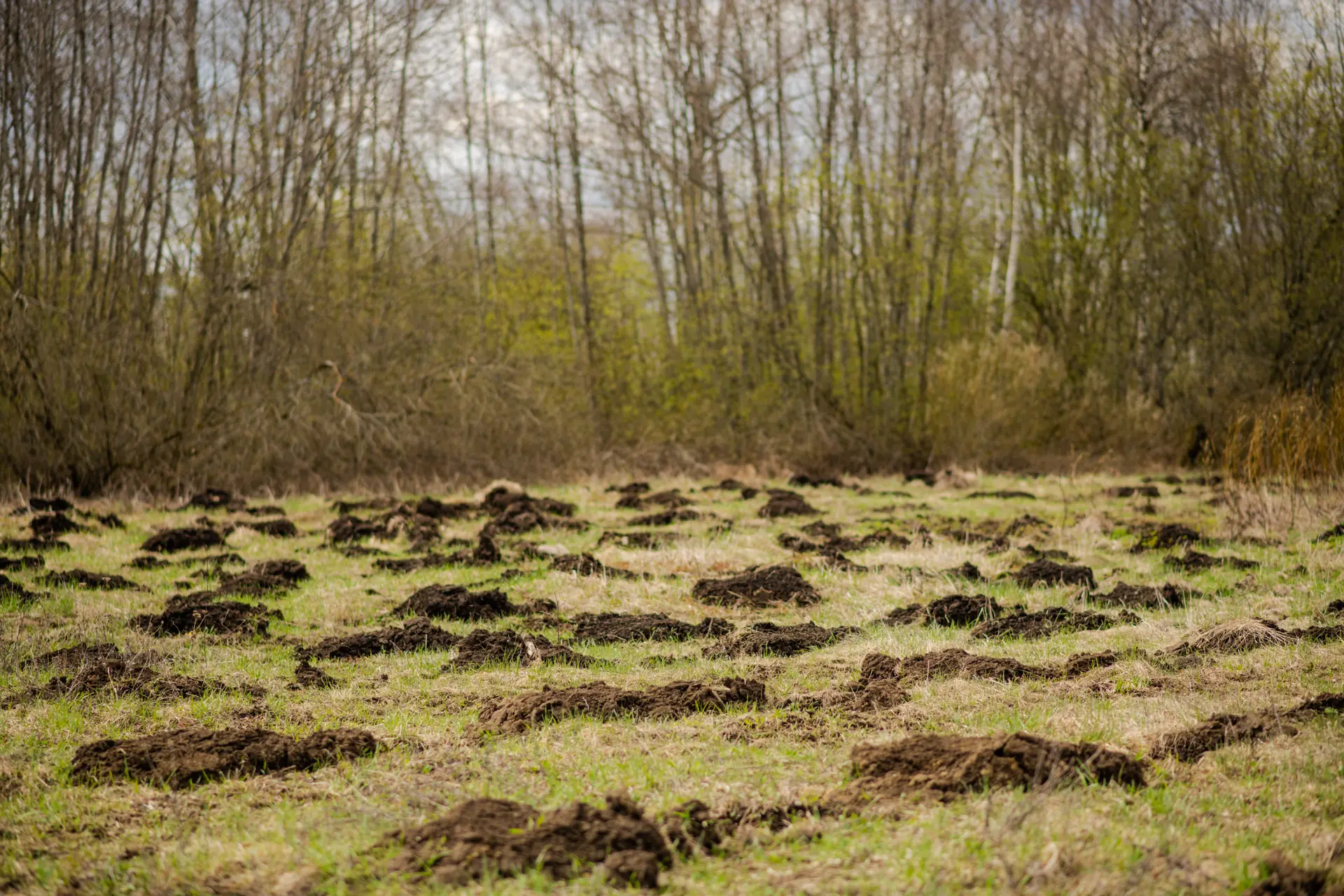
We do afforestation. All our forests are planted on former grassland, so every tree becomes part of a forest that did not exist before. We test the soil of each piece of land, plant a mix of native spruce, pine and birch that suits it, and look after the young forest for decades.
Why both matter
The world still loses some forest each year, but the loss is slowing: net forest loss fell from 10.7 million hectares a year in the 1990s to 4.12 million hectares a year in 2015–2025, and forest expanded onto 6.78 million hectares of new land a year, according to the FAO. Reforestation helps keep the forests we have. Afforestation adds new ones. Together they help the world grow more forest.