Our trees

Why native trees matter

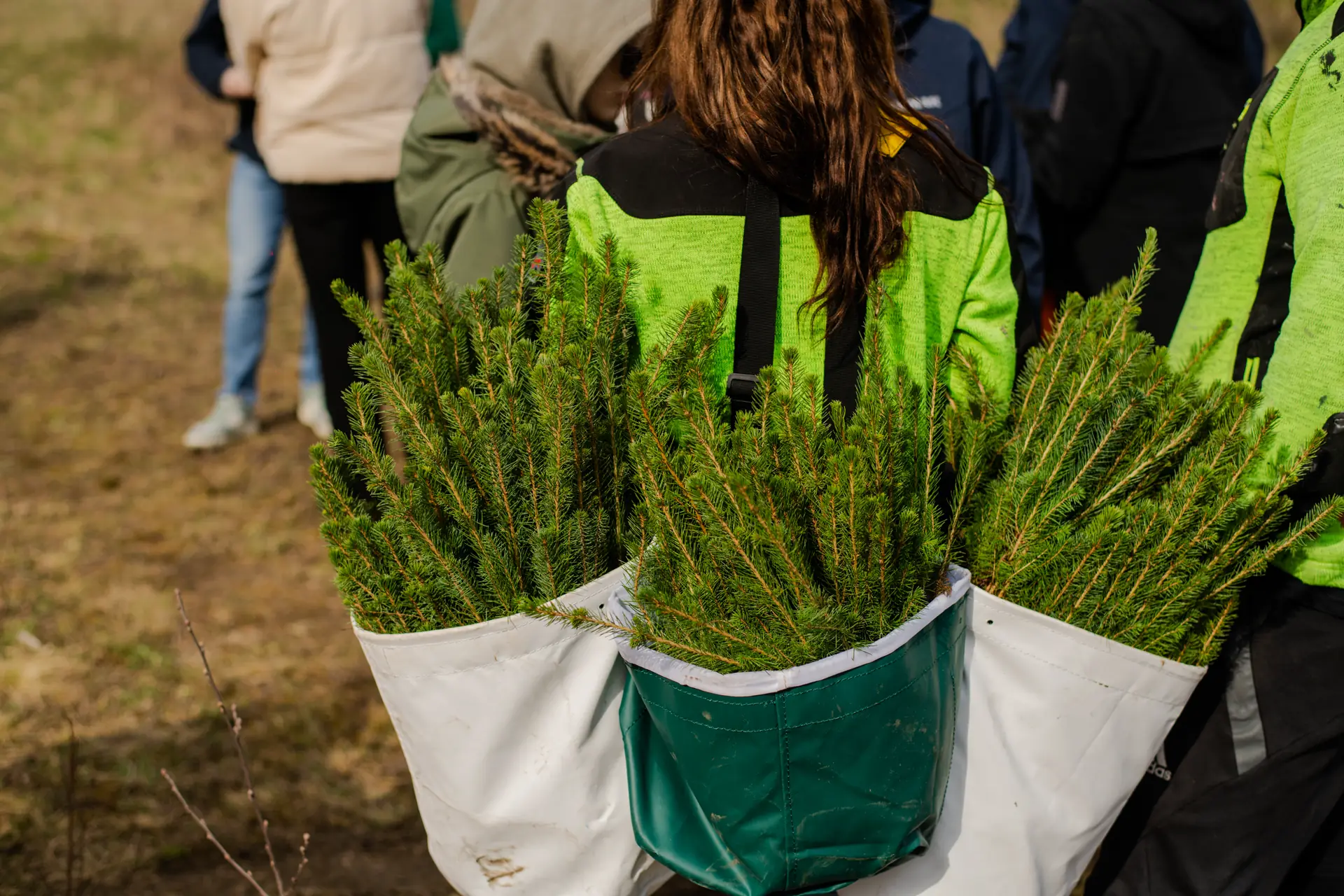
Native trees belong to their place. They know the soil, the winters and the summers, and a whole world of insects, birds and fungi lives with them. That is why we plant spruce, pine and birch.

CA$8 per tree, VAT included

Three numbers about our trees

300+

insect species find food and shelter on silver birch, and they in turn feed many birds.

Woodland Trust: silver birch
≈ 1,600

species are supported by Scots pine, from red squirrels to crossbills, by the Woodland Trust's estimate for Britain.

Woodland Trust: Scots pine
700 years

is how long a Scots pine can live: a tree for many generations.

Woodland Trust: Scots pine

What native means

A native tree grows in a region naturally, without people having brought it there. Over thousands of years it has adapted to the local soil, the cold winters and the short summers, and the local insects, birds and fungi live with it. Plant a native tree and you give all of them a home.

Norway spruce: the backbone

The tall, dark evergreen of the northern forest grows 30–50 metres tall and often lives for 200–300 years. Spruce grows well in shade, so in a young mixed forest it often grows up under birches before reaching the top. Its dense branches shelter birds in winter, and red squirrels and crossbills feed on the seeds in its cones.

Scots pine: the tough one

Pine loves light and copes with dry, sandy and poor soil, so it is often among the first trees on open land. Its deep taproot holds it firmly in storms, and it can live for up to 700 years. Pine forests are light and open, with heather, lichen and blueberries underneath.

Silver birch: the pioneer

Birch grows quickly on open land and prepares the ground for slower trees. Its fallen leaves enrich the soil, and more than 300 insect species live on it, which in turn feed many birds. Its white bark brings light to a young forest.

Stronger together

A forest of one tree species is fragile. A mix of spruce, pine and birch grows on different kinds of soil, gives shelter and food to more birds and insects, and copes better with storms, drought and pests. That is why we plant all three, choosing the mix for each piece of land after testing its soil.

Why we plant native trees

Made for the climate

They have grown through cold winters and short summers here for thousands of years.

A home for wildlife

Local insects, birds and fungi already live with them.

A mix that lasts

Spruce, pine and birch together make a forest that copes better with storms, drought and pests.

Plant your native trees

  1. 1

    Choose your trees

    One tree costs CA$8.

  2. 2

    Add your name

    It goes on our leaderboard, or stays hidden if you prefer.

  3. 3

    Follow the forest

    We plant in the next season and report on how it grows.

Questions about our trees

Not at the moment. We choose the mix of spruce, pine and birch for each piece of land after testing its soil, so every tree goes where it grows best.

We want a forest that belongs to its place. Native trees suit the local soil and climate, and local wildlife lives with them. Birch already grows fast when it is young, and spruce and pine keep growing for a century and more.

Yes, it is the classic Christmas tree. Ours stay in the forest and keep growing for many decades.

Every tree counts

Plant a tree for CA$8 in a few minutes, without leaving home.

Plant a tree

Choose which cookies we may use. Necessary cookies are always on because the site cannot work without them. We keep your choice for 6 months and then ask again. Privacy policy